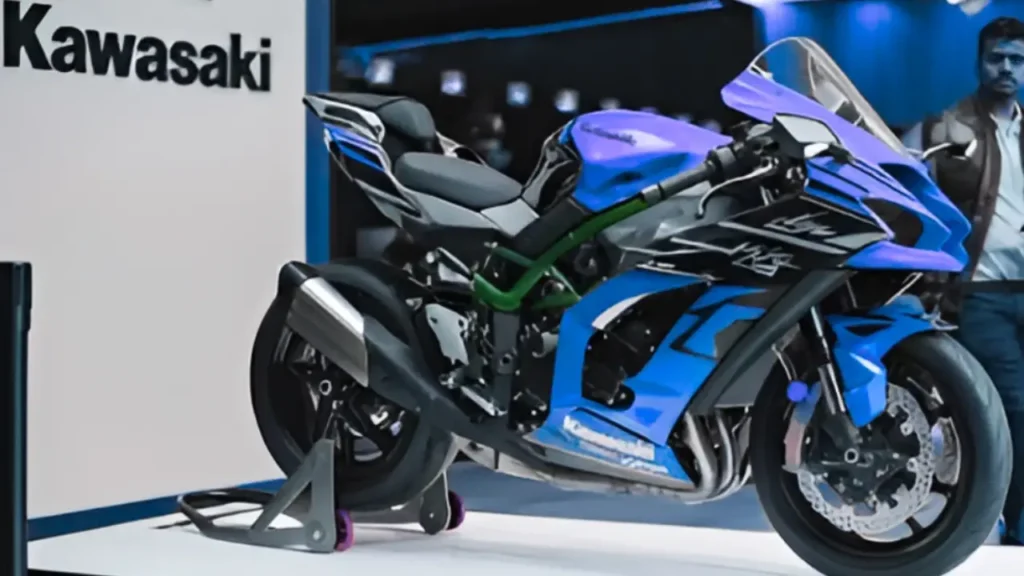
The 2026 Kawasaki Ninja H2R has officially returned to global attention, once again setting benchmarks in the ultra-high-performance motorcycle segment. Designed exclusively for closed-circuit use, the Ninja H2R is not intended for everyday riders or public roads. Instead, it stands as a pure engineering showcase, combining extreme power, advanced aerodynamics, and cutting-edge electronics into a machine built without compromise.
2026 Kawasaki Ninja H2R Key Specifications Overview
The foundation of the 2026 Ninja H2R remains its supercharged engine, but subtle mechanical and electronic improvements elevate overall performance. Below is a clear overview of the specifications that define this track-focused machine.
Engine: 998cc Supercharged Inline-Four
Maximum Power: 250+ HP (factory-rated)
Top Speed: Expected 420+ km/h under track conditions
Frame: High-rigidity trellis steel frame
Electronics: Enhanced traction control, launch assist, selectable ride modes
Dashboard: Fully digital TFT display with Bluetooth support

These figures place the Ninja H2R among the most powerful production motorcycles ever created, even by modern hyperbike standards.
2026 Kawasaki Ninja H2R Launch Timeline and Availability
Kawasaki unveiled the Ninja H2R 2026 toward the end of 2025, confirming that global deliveries will begin in the first half of 2026. As with previous H2R generations, production will remain extremely limited.
This exclusivity adds to the motorcycle’s appeal, making it a highly sought-after model for serious collectors and professional track riders. In several markets, authorized dealers have already opened pre-bookings, and early reservations are strongly recommended due to limited allocation.
How the 2026 Kawasaki Ninja H2R Engine Delivers Extreme Performance
At the heart of the 2026 Ninja H2R lies a refined version of Kawasaki’s 998cc supercharged inline-four engine. While displacement remains unchanged, internal upgrades deliver smoother power delivery and an estimated performance improvement of nearly 10 percent over the previous model.
These gains come from improved cooling efficiency, reduced internal friction, and more precise engine calibration. The signature supercharger continues to provide instant throttle response and relentless acceleration, defining the H2R’s unmatched character on the track.
In real-world circuit conditions, riders benefit from stronger straight-line speed and improved control when exiting corners, allowing skilled pilots to fully exploit the machine’s potential.
Aerodynamics and Stability Enhancements for 2026
Aerodynamics are critical to the Ninja H2R’s performance, especially at speeds exceeding 400 km/h. For 2026, Kawasaki has revised the winglets and bodywork to generate higher downforce while minimizing unnecessary drag.
The updated aerodynamic package improves front-end stability during aggressive acceleration and high-speed braking. This results in a more planted and predictable riding experience, particularly on fast circuits where aerodynamic balance is essential.

Despite these functional upgrades, the H2R retains its sharp, aggressive visual identity that instantly sets it apart from any other motorcycle.
2025 vs 2026 Kawasaki Ninja H2R Comparison
Engine: 998cc Supercharged (both models)
Power Output: Approx. 227 HP (2025) vs 250+ HP (2026)
Top Speed: 400+ km/h (2025) vs 420+ km/h expected (2026)
Aerodynamics: Advanced winglets vs redesigned high-downforce winglets
Electronics: Standard traction control vs enhanced traction control with launch assist
This comparison highlights Kawasaki’s focus on refinement, stability, and higher performance rather than purely cosmetic changes.
Advanced Electronics and Digital Technology
The 2026 Ninja H2R features an updated electronics suite engineered to support riders at extreme speeds. The enhanced traction control system reacts more precisely to wheel slip, while launch assist helps deliver controlled starts during track sessions.
A key upgrade is the new TFT digital instrument cluster with Bluetooth connectivity. Riders can monitor performance data, riding metrics, and system diagnostics more efficiently, adding a modern digital layer to an already futuristic motorcycle.
Why the 2026 Kawasaki Ninja H2R Sets a New Benchmark
The Ninja H2R has always represented the outer edge of motorcycle engineering. The 2026 version reinforces this reputation by combining increased power, improved aerodynamics, and refined electronic control.
While it remains strictly track-only, the technologies developed for the H2R often influence future road-legal Kawasaki performance models, making it an important innovation platform as well as an engineering statement.
Practical Riding Tips for the 2026 Ninja H2R
• Use ride modes to match track conditions and rider experience.
• Rely on launch assist for consistent and controlled starts.
• Maintain correct tire pressure for maximum grip and safety.
• Invest in professional track training before pushing limits.
• Keep electronics updated through official Kawasaki software releases.


I am Miskeen, the founder and author of Mcmshsc. I have a strong interest in smartphones, technology, and automobiles, and I enjoy researching and writing about the latest trends in these fields.I started this website to share my knowledge and personal research with people who want simple and honest information without unnecessary complexity. My writing style is straightforward and practical, focusing on what really matters to users.